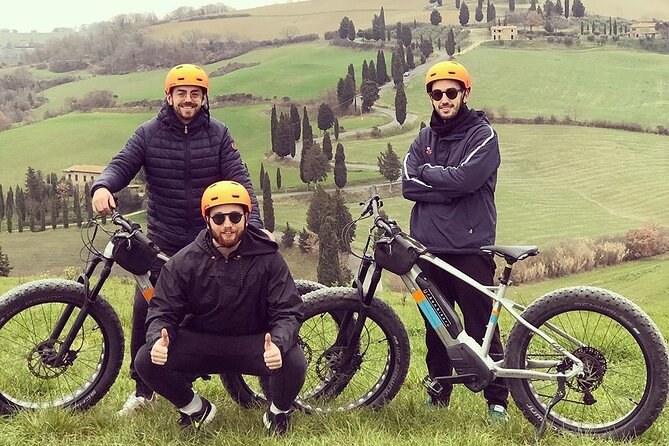
E-Bike Val d'Orcia Experience
Four to six hours on a rented e-bike from Via Ricci into the Val d'Orcia, with lunch. Self-guided, and nothing is poured, so plan your own glass for the evening.
From $181 per person
Check AvailabilityThere is no gate to be shut out of, so the season here is really about three things: what the vines are doing, what the tower and the temple have decided to open, and how many coaches are parked below the walls. Time your Montepulciano reservation around those and the month almost chooses itself.
September is the month most people should book. The harvest is on, the cellars are working, the light is long and the heat has gone out of the afternoon. May is the alternative if you want the hills green rather than gold.
| Month | In one line | What it means for your day |
|---|---|---|
| January | Cold and quiet | The cellars are open and nearly empty. The tower and the museum are out of season, and some tasting rooms keep short hours. |
| February | Cold and quiet | The same, with longer afternoons. A good month if you want a cellar to yourself and a guide with time to talk. |
| March | The town wakes up | The temple below the walls returns to daily hours in the second half of the month. Vines are pruned and bare. |
| April | The best light of spring | The tower, the museum and the temple are all open. Green hills, cool mornings, and the coach days start arriving in numbers. |
| May | Warm, green, busy | Long days and comfortable walking. The vines are in leaf, and this is the first month the terrace is worth waiting for. |
| June | Hot afternoons begin | Flowering in the vineyards. Walk the Corso early, keep the middle of the day for a cellar, and ride out in the evening. |
| July | The driest month | The hottest and the driest of the year. A cellar hour is a relief rather than an activity, and the rides run early. |
| August | Crowded, hot, and the Bravio | The busiest month here, and the one that ends with the barrel race. Book anything you care about before you travel. |
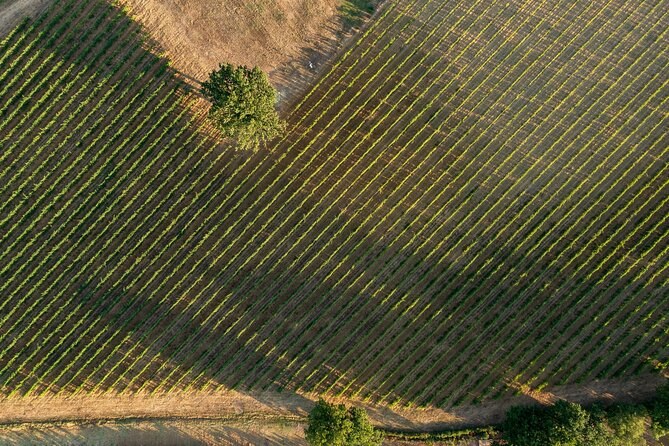
| September | Harvest | The cellars become working floors and the whole town smells of fruit. Warm days, cooler nights, and the best month for a tasting. |
| October | Harvest ends, colour begins | The vines turn. The museum closes at the end of the month, and the temple moves to shorter hours on 1 October. |
| November | The wettest month | The tower season ends in early November, weather permitting, and the temple drops to weekends. The cellars do not change. |
| December | Short days, open cellars | Christmas brings the town back to life for a fortnight. The temple closes on 25 December; almost everything else is a question of asking. |
The harvest runs through September and into October, and it changes the character of a cellar visit completely. The floors you walk across are being worked. There are hoses, a crush pad, and people who are genuinely busy, and a good guide will make that part of the hour rather than apologise for it.
It is also the most oversubscribed stretch of the year. If you want a particular cellar, or a small group rather than a large one, book before you fly rather than when you arrive. Tastings run right through the harvest, so you lose nothing by coming then.
The Bravìo delle Botti is a race up the hill. Eight contrade each put two runners behind a barrel weighing about 80 kg and push it roughly 1.6 km through the streets of the old town, finishing in Piazza Grande. The prize is a painted cloth banner, the Panno, carrying the image of the town's patron saint.
The modern race dates from 1974, when a parish priest turned an old horse race into a barrel one. It falls on the last Sunday in August, the streets close, the town fills, and a booked tasting stops being optional. Those facts are the organisers' own, and they are the only ones we print.
The town never closes. The tower, the museum and the Tempio di San Biagio do, they each keep their own calendar, and none of the three agrees with the others:
| What | Open season | Out of season |
|---|---|---|
| Torre del Palazzo Comunale | Daily 10:00–18:00 through the season, last entry 17:45 | Ends in early November, weather permitting |
| Museo Civico Pinacoteca Crociani | 1 April–31 October, to 18:00 in April and 19:00 from May | Shut from 1 November |
| Tempio di San Biagio | Daily 1 April–30 September, 10:00–13:30 and 14:00–18:30 | Weekends only 3 November–24 December and 7 January–14 March |
| The cellars | All year, most days | Individual cellars vary; ask when you book |
| The rides out among the vines | All year in practice | Weather cancels them, and the operators say so themselves |
The coach days from Rome, Florence and Siena all run ten to twelve hours door to door, which puts their arrivals in the middle of the day. Read the itineraries and a pattern falls out: the town is busiest from late morning to mid-afternoon, and it empties in the early evening.
So if you are staying overnight, do the Corso and the tower before ten or after five. If you are coming in on a coach day, accept the crowd and spend your free time in a cellar, which is the one place the crowd is not. Either way, the terrace at the top is worth timing for the last hour of light.
The cellar hours take small groups and run on a booked time, so a busy square outside makes no difference to the hour you paid for.
August is hot, crowded and the most expensive month to find a bed in. It is also when the Bravio happens, so plenty of people want exactly that. If you have a choice, come in September instead and get the harvest as well.
If you cannot choose, work around it. Start early, keep the middle of the day underground, drink water on the climb, and book every tasting before you arrive — several of the small cellars here take eight to fifteen people at a time and fill days ahead.
The race date, the barrel weight, the contrade, the course and the prize are the Bravìo's own site, checked 20 September 2026. The season bands are the comune's notice and the temple's own site, same date. The arrival pattern is read off the captured itineraries, and the vine year from the listings that run through it.
Four to six hours on a rented e-bike from Via Ricci into the Val d'Orcia, with lunch. Self-guided, and nothing is poured, so plan your own glass for the evening.
From $181 per person
Check Availability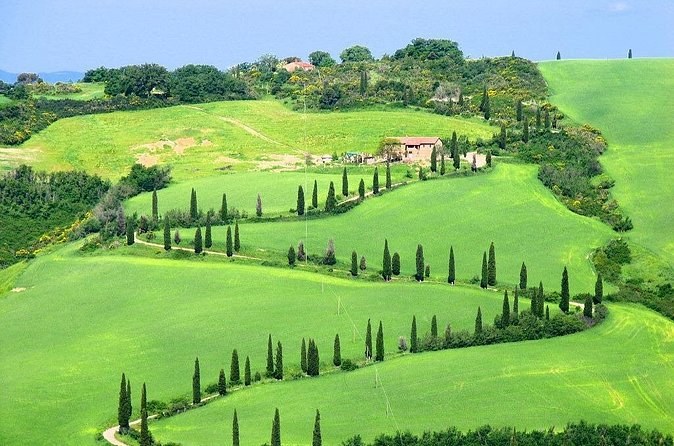
Five hours riding the countryside on a Vespa, with lunch included. The wines are not listed in advance, and the fare is non-refundable once booked.
From $303 per person
Check Availability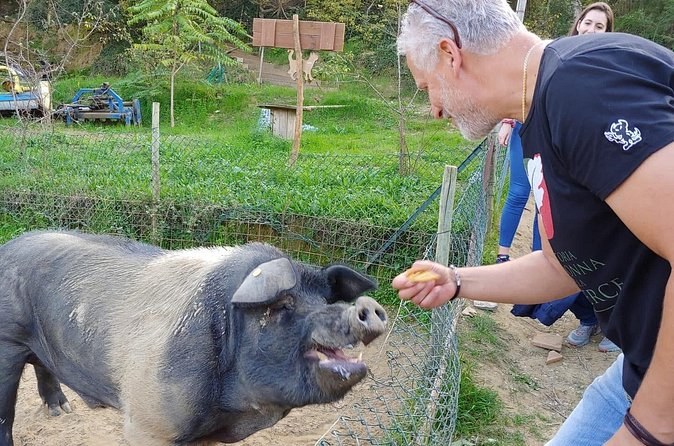
Two hours at the Cinta Senese farm on Via Madonna della Querce: the pigs, the curing room, then lunch and wine from what comes out of it.
From $67 per person
Check AvailabilityNext: check the temperatures on the weather page, see what is open in things to do, or compare every tour on Montepulciano Tours.